
Water-Absorbing Polymer Assisted Mechanical Dredging
Prepared By: Toronto and Region Conservation Authority (TRCA)
Introduction
Mechanical dredging is one of the most common methods used to remove sediment accumulated in stormwater management facilities. It involves the removal of sediment by dredging the material out of the water body being cleaned, typically with an excavator. Prior to implementation, excess water is pumped out of the pond as much as possible before mechanical dredging is initiated. The remaining sediment is very wet, making it difficult to remove and haul offsite. Where sediment drying areas are available, the material is typically stockpiled and allowed to dry out for days or weeks. This passive drying method requires dry weather conditions and thus works best during hot summer months when rainfall is less frequent and ambient temperatures can expedite the drying process. Winter conditions can also be favourable because the dredgeate requires less intensive dewatering because it is frozen, which makes it easier to handle and haul offsite.
In some cases, materials such as mulch, straw and sawdust are applied to help dry and/or consolidate the wet material at a faster rate. There are two types of polymers that can also be applied for this purpose: erosion control polymers (e.g. linear anionic polyacrylamide) and superabsorbent polymers. The superabsorbent polymer particles swell as they absorb water, and become gel-like in consistency. The current case study details the clean out of two stormwater management ponds in the City of Toronto, in which mechanical dredging was used for sediment removal and a mix of superabsorbent and bentonite clay polymer was applied to wet sediment to make it easier to transport offsite.
Pond Profile
| SOSJ | Lansing | |
| Municipality | City of Toronto | City of Toronto |
| Cleanout Party | TRCA | TRCA |
| Drainage Area Land Use | Mixed Residential and Commercial | Commercial |
| Pond Age at Time of Cleanout | 16 years | 16 years |
| Drainage Area (ha) | 18.3 | 16.1 |
| Permanent Pool Depth (m) | 1.40 | 2.25 |
| Permanent Pool Volume (m3//ha) | 85 | 149 |
| Water Quality and Erosion Control Volume (m3/ha) | 169 | 222 |
| Sediment Removal Method | Mechanical Dredging | Mechanical Dredging |
| Sediment Handling Method | Residential/Parkland Fill | Residential/Parkland Fill |
Project Objectives
As stormwater management ponds age, they become filled with sediment, which diminishes their capacity to effectively treat the stormwater runoff they receive. This results in higher contaminant levels discharged from the pond and deposited into receiving water bodies, ultimately degrading downstream aquatic habitat. When ponds are filled with sediment, they are also unable to provide the flood protection they were designed for, and as such can be a significant liability to the land owner.
Within the City of Toronto there are several ponds that have been identified as being at capacity and in need of maintenance, including the Sisters of St. Joseph (SOSJ) and Lansing ponds described in the current case study. Based on sediment surveys of both ponds carried out in the summer of 2013 by the Toronto and Region Conservation Authority (TRCA, retained by the City to complete the pond clean outs), the SOSJ Pond was 58% full and Lansing Pond was 42% full relative to their original designs. The corresponding volumes of sediment to be removed were estimated to be up to 1320 m3 for SOSJ and 1200 m3 for Lansing. Over and above the primary objective of removing this accumulated sediment, these pond clean out projects were also undertaken to meet the following secondary objectives.
- Prevent the release of sediment to the receiving stream;
- Minimize the ecological disturbance of dredging activities to wild
life that inhabit the pond area, particularly waterfowl; - Repair water control structures where needed;
- Remove any dead vegetation that has impaired the functionality
of the pond - Assess the potential for installation of sediment drying areas and
construct the areas where possible; - Re-plant pond banks and restore any other areas where vegetation removal was required for maintenance access;
- Complete dredging and associated activities on schedule;
- Complete dredging and associated activities on budget.
Site Description
The ponds, SOSJ and Lansing, are located in the east end of the City of Toronto, Ontario. The former is immediately northwest of the intersection of St. Clair Avenue East and Warden Avenue, and the latter is just off of William Kitchen Road, located southeast of Kennedy Road and Hwy 401 (Figure 1). Both ponds were constructed in 1997 and prior to 2013 neither had been dredged.
The SOSJ pond captures stormwater from an 18.3 ha subdivision and discharges to Taylor Massey Creek, a branch of the Don River. The land surrounding the pond is well-vegetated, with valley land immediately south of the pond extending to St. Clair Avenue. Providence Health Care Centre is located to the west of the pond, Warden Subway Station to the east, and a residential subdivision to the north.
Lansing Pond is an online stormwater management pond that receives runoff from 16.1 ha of commercial land, and discharges to the Bendale Branch of West Highland Creek. While the land immediately surrounding the pond is well-vegetated and there is valley land to the south, the surrounding land is largely commercial and light industrial, containing a large proportion of paved surfaces.
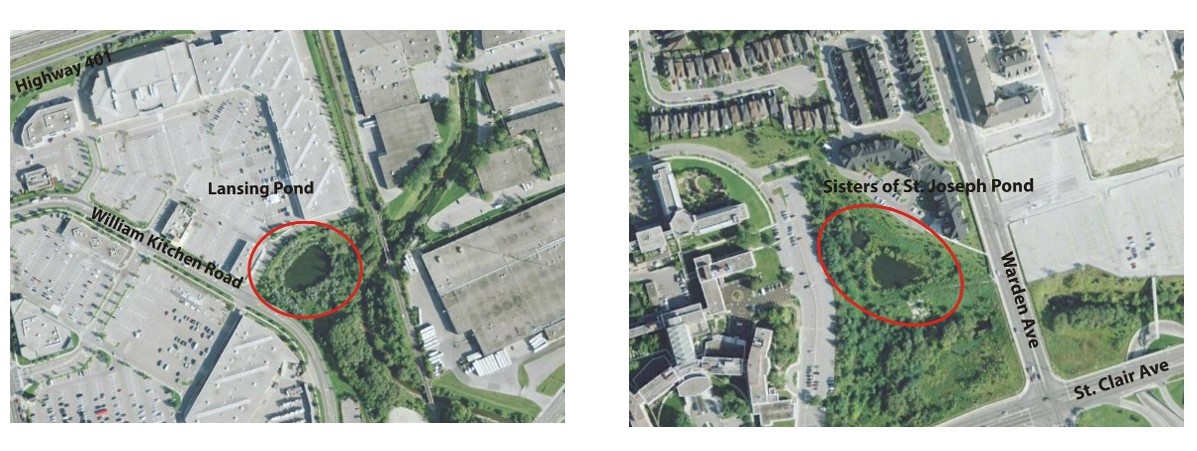
Figure 1. Locations of the Lansing (left) and SOSJ (right) ponds in the east end of Toronto.
Methods
Considering these specific project objectives, it was determined that the most appropriate and cost-effective method would be mechanical dredging with onsite sediment drying. It was originally intended that mulch would be used to expedite sediment drying, however due to the prolonged periods of wet weather experienced in October 2013, when the project was being carried out, the mulch could not render the sediment dry enough to be piled on the embankments without sliding back into the pond. A super-absorbent and bentonite clay polymer mix was selected as an alternative to help absorb the water and consolidate the wet sediment.
Pond Survey
The pre-cleaning bathymetric surveys for both ponds took place in April, 2013. Topographic surveys were conducted using a GPS total station, and bathymetric surveys were conducted with a SONAR remote controlled floating device. The bathymetric surveys revealed that SOSJ and Lansing ponds had in-situ accumulated sediment volumes of 1320 m3 and 1200 m3, respectively.
Sediment Characterization
In June 2013, samples of in-situ sediment were collected at three different locations in each of the ponds – near the inlet, the middle, and near the outlet. Samples were submitted to AGAT Laboratories in Mississauga, Ontario and analysed for a variety of parameters, including grain size, general chemistry, nutrients, metals, pesticides and polycyclic aromatic hydrocarbons. The objective of this initial sediment testing was to compare contaminant levels to the Ontario Ministry of the Environment’s Soil, Ground Water and Sediment Water-absorbing Polymer Assisted Mechanical Dredging Case Study Standards for Use Under Part XV.I of the Environmental Protection Act (2011). Based on whether the sediment contaminant levels exceeded these standards, options for disposal or re-use of sediment could be considered and cost estimates for the alternative options could be compiled.
Results of this initial sediment quality analysis showed that contaminant levels exceeded the Soil, Ground Water and Sediment Standards, for re-use of the sediment on residential, parkland or institutional property. For both ponds, the parameters that exceeded the Standards included several hydrocarbons and the sodium adsorption ratio (SAR). Sediment from the Lansing Pond also had elevated levels of several heavy metals.
If the sediment, once dredged, was still found to contain these contaminant levels, re-use would not be permitted on residential, parkland or institutional property. If the contaminant levels were to exceed the previous guideline, but meet the guideline for industrial, commercial and community use, the sediment could be hauled to a licensed disposal facility. Ultimately, only the sediment quality at the time of hauling is relevant, and must comply with the Standards in order to be permitted for offsite re-use. At both ponds, sediment was resampled once it had been dredged, mixed with the polymer, and allowed to dry. Samples were again submitted to AGAT Laboratories for analysis, and during this second round, sediment contaminant levels were found to meet the Ministry of the Environment Standards, which meant that the material could be re-used offsite where the land use is parkland or residential/institutional land.
Site Preparation
The preparation of both sites began in October 2013 (Figure 2). In order to make the sites accessible for construction vehicles, it was necessary to create a clear path to the pond by removing several of the established trees and shrubs at both sites. The trees removed from the site were later chipped to make the mulch used to aid sediment drying.
Site preparation also involved the installation of erosion and sediment controls, including silt fencing and geotextile filter bags to be used during pond dewatering, and the installation or placement of equipment required for the project such as the pumps, hoses, super absorbent polymer bags, and heavy machinery.
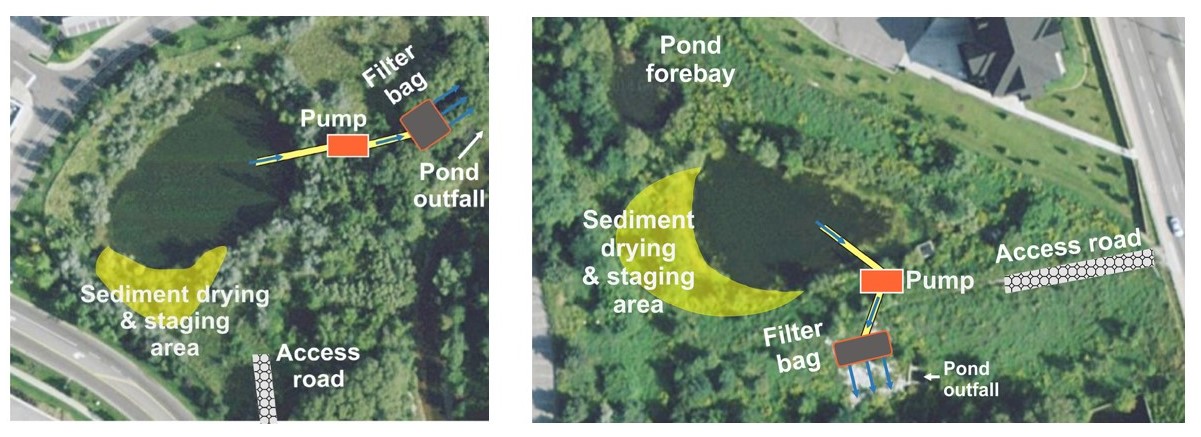
Figure 2. Preparation of laydown areas for Lansing (left) and SOSJ (right) ponds.
Dewatering and Dredging
When applying mechanical dredging and onsite sediment drying in a pond cleanout project, it is beneficial to remove as much water from the pond as possible before dredging begins (Figure 3). At the start of dewatering for both ponds, water from the top of the water column was pumped out of the pond and discharged to the receiving watercourse. In both cases, gabion stones were in place at the discharge point, providing an erosion resistant path to the watercourse. During the dewatering process, geotextile sediment bags were installed at both sites to filter water being pumped out of the pond into the receiving watercourse.
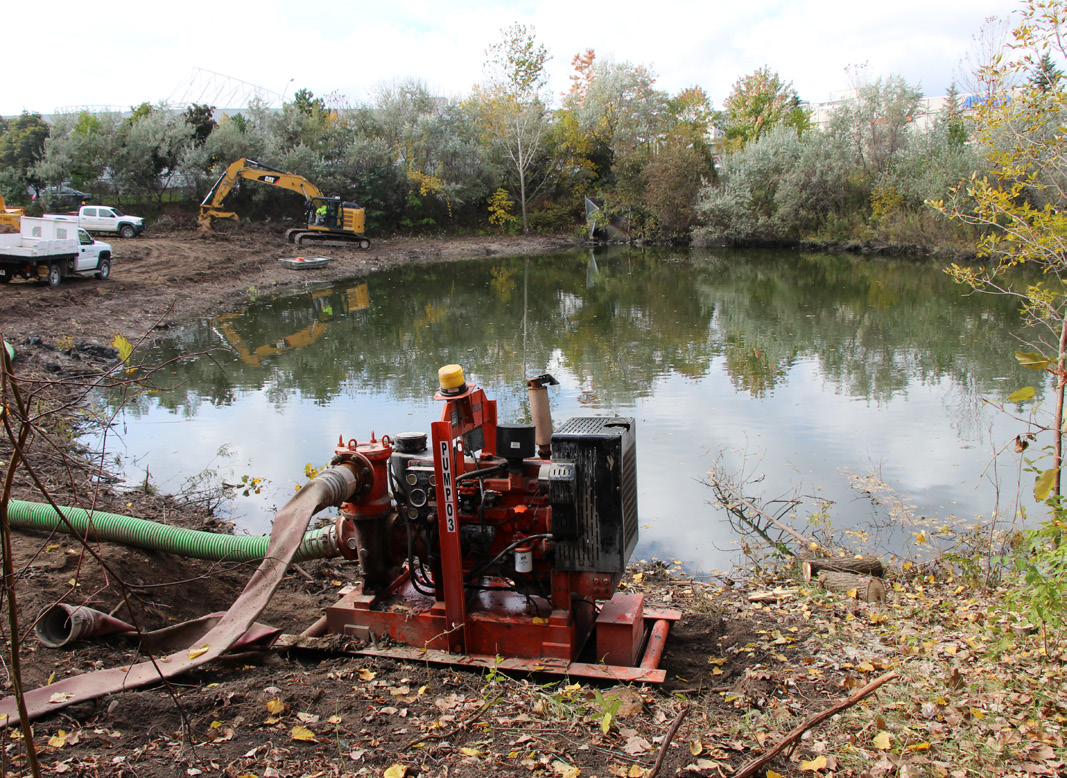
Figure 3. Pumping of Lansing pond.
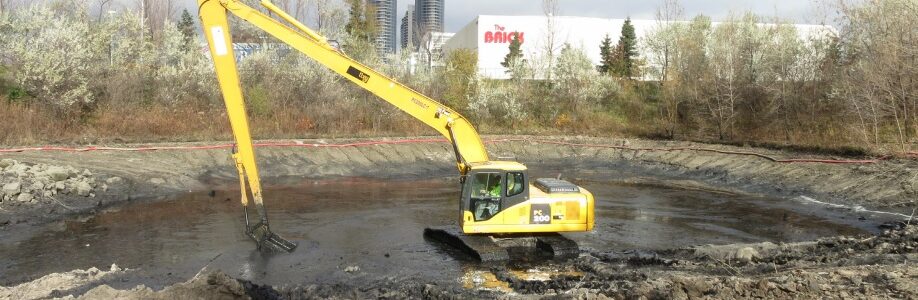
Once dewatering was largely complete, the dredging process was initiated. A long reach excavator was used to scoop the wet sediment out of the pond, place it on the sediment drying/staging area on the pond banks, and mix the sediment with the super absorbent polymer. A skilled operator was retained to ensure that as much sediment as possible was removed from the pond without damaging the clay pond liner. Pond liners are installed during pond construction to minimize the exchange of water between the pond and the groundwater. This ensures that the appropriate permanent pool level is maintained and also that contaminants are not migrating out of the pond and into the groundwater.
Polymer Application
The polymer product used at both sites to absorb water and improve the manageability of the wet sediment is LiquiSorb 2000®. The product contains both bentonite clay and polyacrylate superabsorbent polymer, and is specifically designed to absorb water from, and aid in solidification of, dredgeates or any industrial wastewater with high solids content. The polymer used in this product differs substantially from other polymers used for erosion control and water clarification (e.g. linear anionic polyacrylamide). While anionic polyacrylamide (PAM) binds sediment particles to one another so that the sediment becomes consolidated, the superabsorbent polymer simply absorbs water in the sediment mixture. Polyacrylate superabsorbent polymers are capable of absorbing a very large amount of water relative to their own mass, and as a result are very useful in personal hygiene products like baby diapers and as a soil additive to improve water retention for plants. They are also approved by the U.S. Food and Drug Administration for use in food packaging, such as the absorbent liners in packaged meats.
Prior to the addition of the polymer, wet sediment samples were collected and used to determine the quantity of polymer that should be applied to the excavated sediment. Due to the high moisture content of the sediment (Figure 4), a small depression was created within the sediment drying/staging area to contain the sediment dredgeate during the polymer application and mixing process. Once the appropriate dosage rate was determined, the LiquiSorb 2000® powder was sprinkled over the surface of the wet sediment. This was achieved by suspending a large bag of polymer from an excavator and cutting the bag open while suspended in the air above the sediment holding area (Figure 5). Dust masks were worn by onsite construction staff during this application and mixing process to avoid inhalation of wind-blown polymer dust. Once the polymer was applied, it was thoroughly mixed with the wet sediment using an excavator. It was then left to sit for up to 24 hours, giving the polymer the opportunity to absorb the water within the sediment dredgeate (Figure 6). The amount of time required for this process depends primarily on the water content in the dredgeate and the amount of polymer applied.
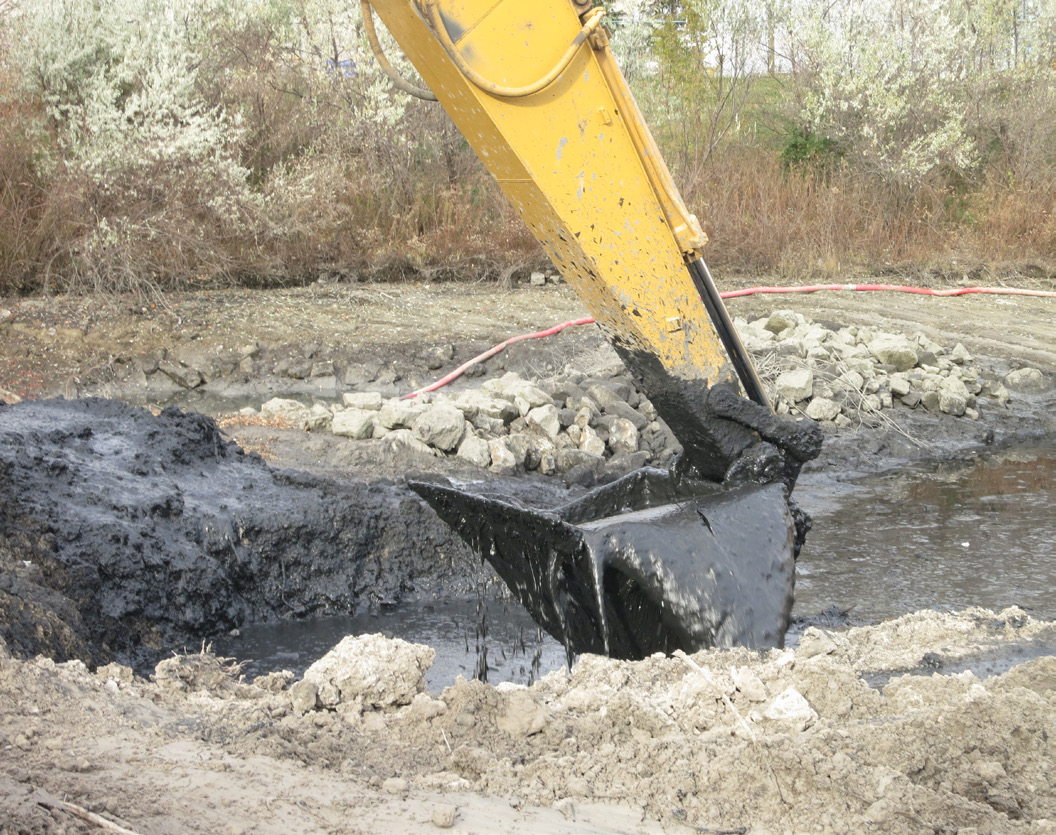
Figure 4. Sediment consistency after dewatering and prior to polymer application.
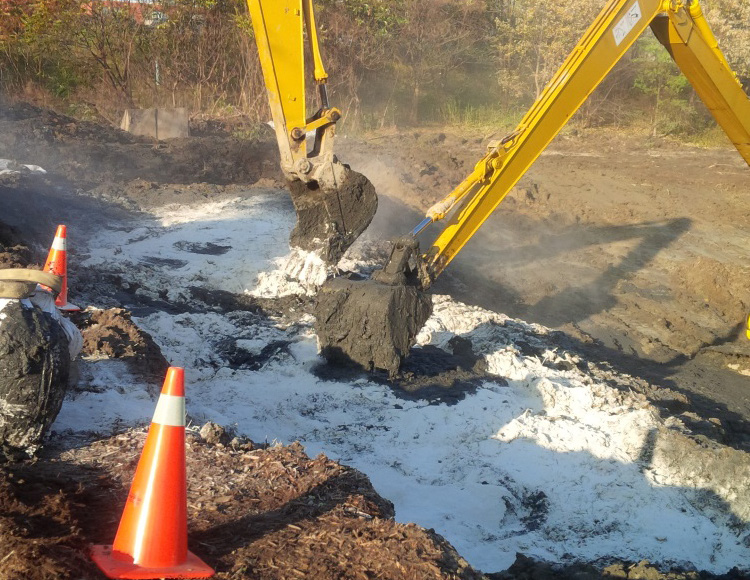
Figure 5. Polymer application using long reach excavators for spreading.
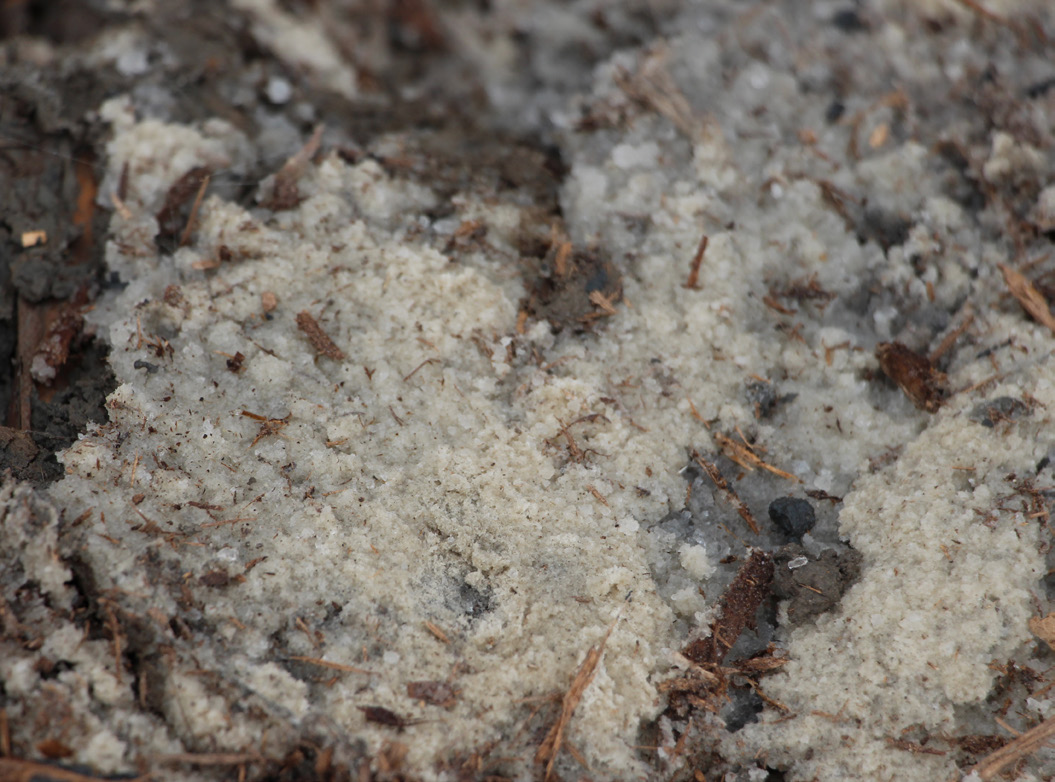
Figure 6. Swelling of LiquiSorb particles following water absorption.
Sediment Hauling and Disposal
Once the polymer treated sediment was mixed and allowed to sit, slump tests were performed in order to determine whether the sediment had solidified enough to be hauled away (Figure 7). When the material was ready for hauling, it was transported to conservation lands in the City of Pickering, roughly 35 and 40 km away from the SOSJ and Lansing ponds, respectively. The sediment was used to fill an excavation from which contaminated soils had previously been removed. The lands are slated for development of recreational multi-use trails in the future.
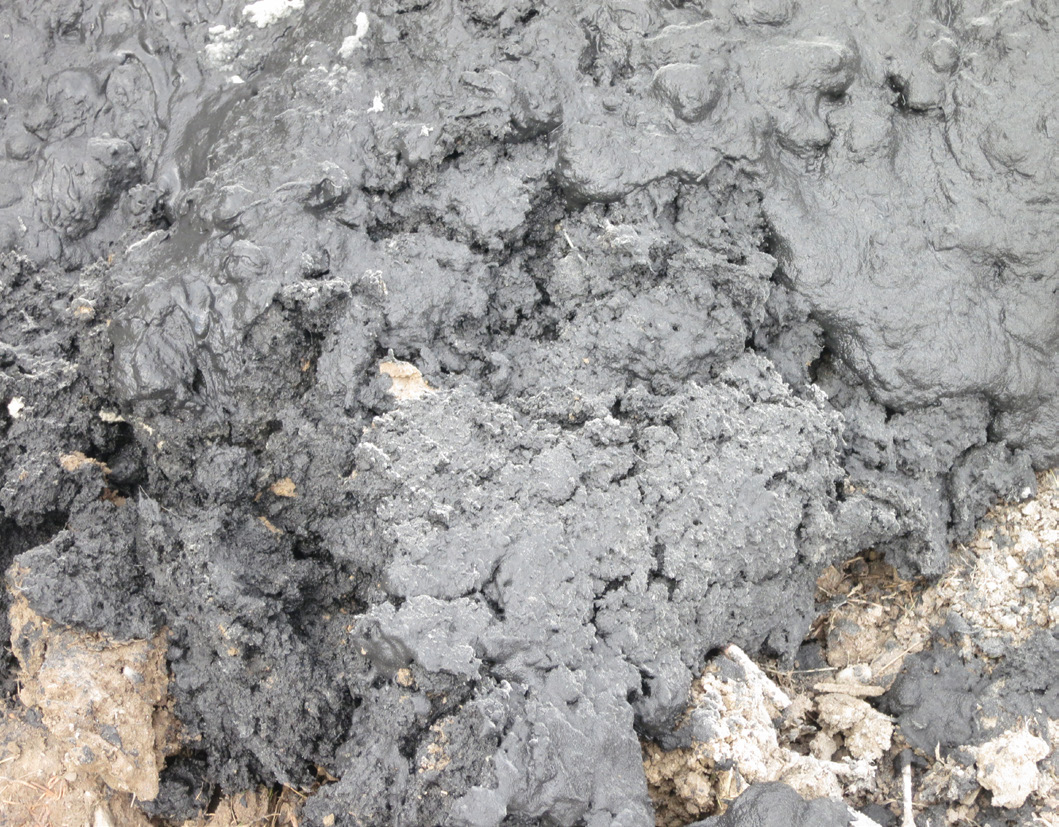
Figure 7. Consistency of sediment after polymer addition.
Site Restoration
An effort was made to disturb as small an area as possible during dredging operations (Figure 8), and the intention was to leave the site in better condition than before the maintenance. Once all the sediment had been dredged, dried, and transported offsite, the sites were partially restored in preparation for the winter. Construction materials, including erosion and sediment controls and fencing, were removed and the sites were cleaned up and graded. The pond embankments were graded, seeded and covered in erosion control blankets. The blankets were put in place to prevent bank erosion and protect the seed so that it would germinate the following spring. Because the projects were completed in the fall of 2013, it was recognized that re-establishing vegetation would not be feasible due to cold weather conditions. As a result, the full restoration of the site, including planting of trees and shrubs, was planned for the following spring 2014. As part of the site restoration, an access path/road was left open to aid future maintenance activities.
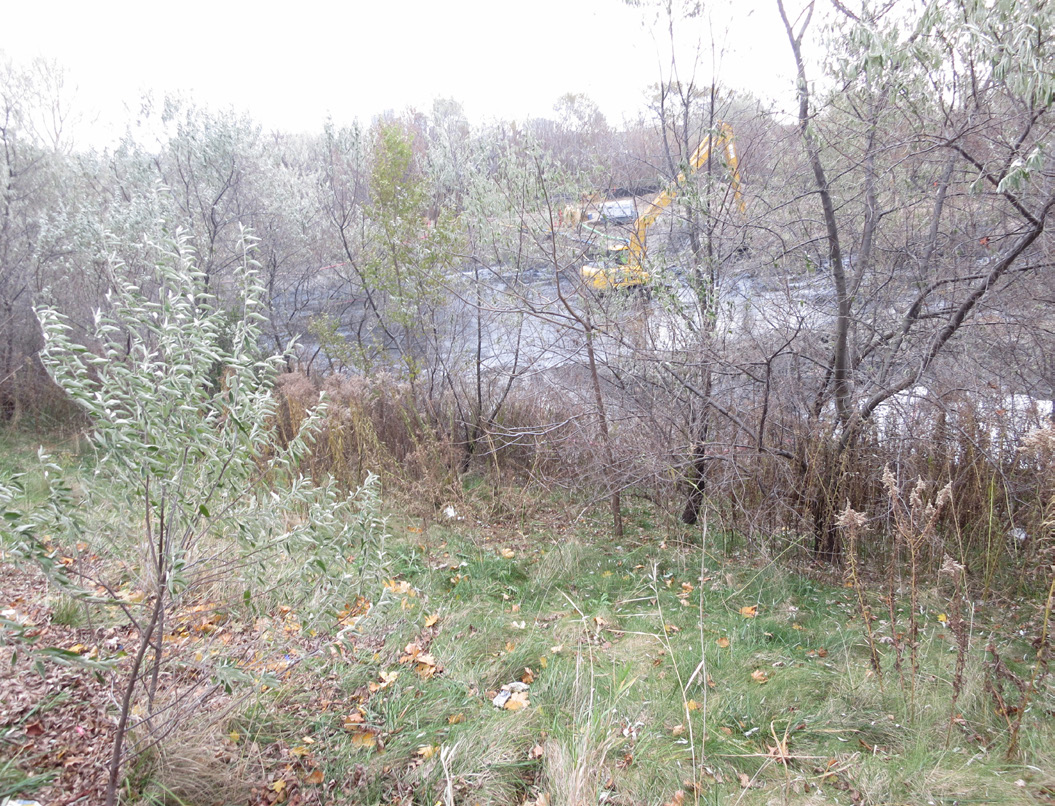
Figure 8. Preservation of natural features to the maximum extent feasible.
Results
The dredging of the SOSJ and Lansing ponds were carried out successfully and as planned. The following summarizes the success of the projects relative to their objectives.
Removal of 790 m3 and 644 m3 of sediment from SOSJ and Lansing, respectively
There was a discrepancy between the initial sediment volume estimated and the actual volume of sediment removed. Part of this discrepancy may be explained by the difference between wet and dry sediment volumes. Sediment that are saturated contain more water which translates to larger volumes.
Diversion of sediment from landfill
The resampling of sediment prior to removal showed that sediment was not contaminated which enabled its re-use at parkland, residential or institutional land use types. The decision to resample the sediment prior to removal rather than rely on outdated information resulted in the diversion of the removed sediment from landfill facilities.
Completing the Project on Schedule and Within Budget
Both pond clean out projects were completed within approximately the amount of time projected during project planning. From the initiation of dewatering to the removal of dredged sediment from the site, the SOSJ project was completed in 4 weeks and the Lansing project in 3 weeks. The cost savings resulting from diverting dredged sediment from landfill was applied to cover the cost of the polymer.
Improved Pond Functioning
While suspended solids levels in pond effluents have not been measured since the dredging operations were complete, visual observation suggests improved pond functioning. Water discharged from the ponds is visibly clearer (less turbid) than it was before the pond clean out projects were initiated.
Challenges and Lessons Learned
One of the major challenges encountered during the cleanout proj-ects was the occurrence of wet weather during the fall season. While the pond dewatering process was conducted during dry weather, maintaining the sediment in a dewatered state was found to be dif-ficult due to rain events. For this reason, a polymer was introduced as a bulking agent.
The ideal season for mechanical dredging is late summer, when rain-fall is at a minimum and evaporation is at a maximum. However, due to high demand for equipment and many ongoing seasonal projects, the driest parts of the summer do not always align with project timelines. Winter is also a viable season for mechanical dredging when resources are more readily available and subzero temperatures make removal of sediment and water easier.
It was found through this cleanout project that in situ sediments can have significantly different contaminant levels than dried sediment, suggesting that retesting dried sediment prior to selection of disposal is beneficial in some cases.
It should be anticipated that if a cleanout project occurs outside of the growing season, a full restoration of the site (i.e. planting) can-not be completed until the following spring. If the pond facility also provides a recreational function, a communication strategy would be required to reach out to local residents and groups, explaining the function of the facility and the necessity to perform maintenance.
This communication can take the form of signs at the facility, pamphlets distributed within the neighbourhood, and a letter to inform the local municipal councilor.
For information on STEP’s other stormwater management initiatives, or to access the new guidance
on stormwater pond cleanouts, visit us online at www.sustainabletechnologies.ca
This case study has been prepared by the Toronto and Region Conservation Authority’s Sustainable Technologies Evaluation Program. Toronto and Region Conservation Authority’s Restoration Services carried out the pond clean out project described herein, and provided the information and site access required for the development of this document. Funding support for this study was provided by Region of Peel, York Region, City of Toronto and Government of Canada’s Great Lakes Sustainability Fund. The contents of this report do not necessarily represent the policies of the supporting agencies. For more information about this project, please contact STEP@trca.on.ca
